
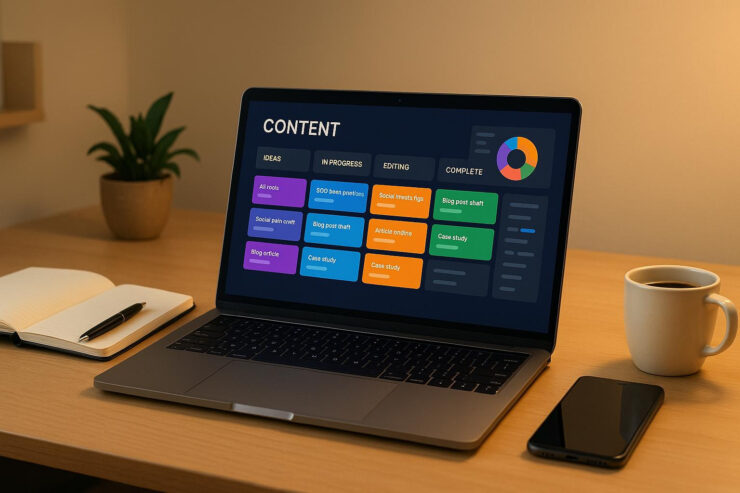
Streaming media has become part of everyday digital life, shaping how people watch videos, follow live content, listen to audio, discover entertainment, and access information across devices. As audiences expect faster access, smoother playback, and more personalised experiences, the systems behind online media have become just as important as the content itself.
For platforms, creators, publishers, and digital service providers, the challenge is no longer only about uploading media and reaching an audience. It is also about managing content libraries, improving user journeys, protecting data, handling payments, and keeping operations flexible enough to support changing habits.
The most effective streaming and media businesses are those that combine reliable technology with simple, practical workflows.
Better content organisation across platforms
A strong media experience starts with organised content. Whether a site publishes video guides, software tutorials, entertainment updates, product reviews, or streaming advice, users need to find relevant material quickly. Clear categories, tags, search functions, and internal linking help visitors move through a website without confusion.
For media teams, better organisation also supports faster publishing. A structured content library makes it easier to update older articles, connect related topics, repurpose material, and maintain consistency across the site. This is especially useful for streaming and technology websites, where software tools, media formats, apps, and user habits can change quickly.
Faster access and smoother user experiences
Visitors expect pages to load quickly and media to work without unnecessary friction. Slow performance, cluttered layouts, broken embeds, or confusing navigation can push readers away before they engage with the content. Streaming-focused websites benefit from simple design, responsive layouts, compressed media files, and clear paths to related articles.
Mobile performance is especially important. Many users read guides, compare tools, or watch short clips from phones and tablets. A site that works well across devices can serve casual readers, professionals, gamers, entertainment fans, and people looking for practical media solutions.
Smarter use of software and automation
Software now plays a major role in how online media businesses operate. Editorial calendars, analytics tools, content management systems, image optimisation plugins, video hosting services, and automated publishing workflows all help reduce manual work.
Automation can support routine tasks such as scheduling posts, checking broken links, collecting performance data, managing newsletters, and preparing social media previews. Used carefully, these tools free up time for higher-value work, including research, editing, testing products, and improving the quality of published content.
Payment workflows for digital media businesses

A business account can support the financial side of a streaming or media operation by helping publishers, agencies, vendors, and digital service providers manage transactions more efficiently.
For example, Enter offers business clients dedicated IBANs in EUR and GBP, supports large transfers with no set limits, allows instant fee-free transfers between Enter accounts, and does not charge for incoming payments.
These features can help media-related businesses organise payments for subscriptions, advertising partnerships, outsourced services, software tools, and cross-border collaborations.
Improving trust through transparency
Trust matters in digital media. Readers want clear information, practical advice, and content that does not feel misleading. This is especially important for articles about streaming tools, software downloads, online entertainment, cybersecurity, or digital payments, where poor recommendations can create real problems for users.
Websites can build credibility by explaining how tools work, outlining pros and cons, avoiding exaggerated claims, and keeping older guides updated when technology changes. Transparent editorial practices also help readers understand whether an article is informational, commercial, or based on hands-on experience.
Security and privacy considerations
Streaming and media platforms often interact with user data through comments, contact forms, analytics tools, newsletters, accounts, or payment systems. Even smaller websites need to think carefully about privacy and security. Secure connections, responsible data collection, regular updates, and careful plugin management all reduce risk.
For users, security-focused content is also valuable. Guides that explain safe downloads, password protection, scam awareness, VPN use, account security, and privacy settings can help readers make better decisions when using streaming services or digital platforms.
Personalisation without overcomplication
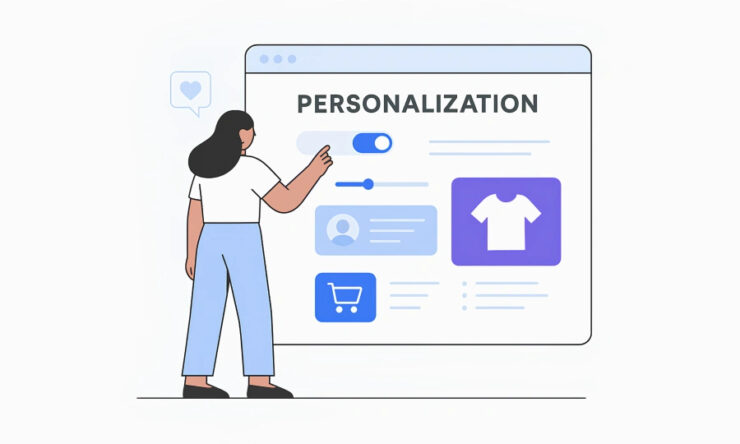
Personalisation can improve the user experience when it is handled carefully. Recommended posts, related guides, saved preferences, and newsletter segmentation can help visitors discover more relevant content. However, personalisation should not make the site feel intrusive or difficult to use.
The goal is to make the reader journey easier. A visitor reading about streaming software might also appreciate guides on recording tools, file formats, media players, or online safety. Someone exploring gaming content may be interested in hardware, performance, or entertainment platforms.
Relevant suggestions can keep users engaged while making the site more useful.
Measuring what works
Digital media businesses can improve by tracking practical performance indicators. Useful metrics include page speed, search traffic, time on page, click-through rates, returning visitors, newsletter sign-ups, and engagement with related content.
These numbers help identify which topics are useful to readers and which pages may need improvement.
Analytics should support editorial quality rather than replace it. Strong performance often comes from content that answers real questions clearly, loads quickly, and gives readers enough value to return later.
Regular reviews can also reveal patterns that are easy to miss when looking at single articles in isolation. A guide may attract visitors but fail to keep them engaged, while another page may convert readers into subscribers despite lower traffic. Comparing results over time helps teams understand seasonality, topic demand, and changing audience needs.
This makes future planning more deliberate, allowing media businesses to update content, remove weak pages, and invest in formats that consistently provide value.
The future of streaming media operations
Streaming media continues to move toward faster delivery, smarter tools, and more connected digital workflows. Websites that cover this space need to keep pace with both technology and user expectations. That means publishing helpful content, maintaining reliable site performance, protecting user trust, and using practical business tools behind the scenes.
For media publishers, creators, and digital service providers, efficiency is not just about saving time. It is about creating a smoother experience for readers, viewers, partners, and teams. When content, software, payments, security, and analytics work together, online media operations become easier to manage and more valuable to the people they serve.